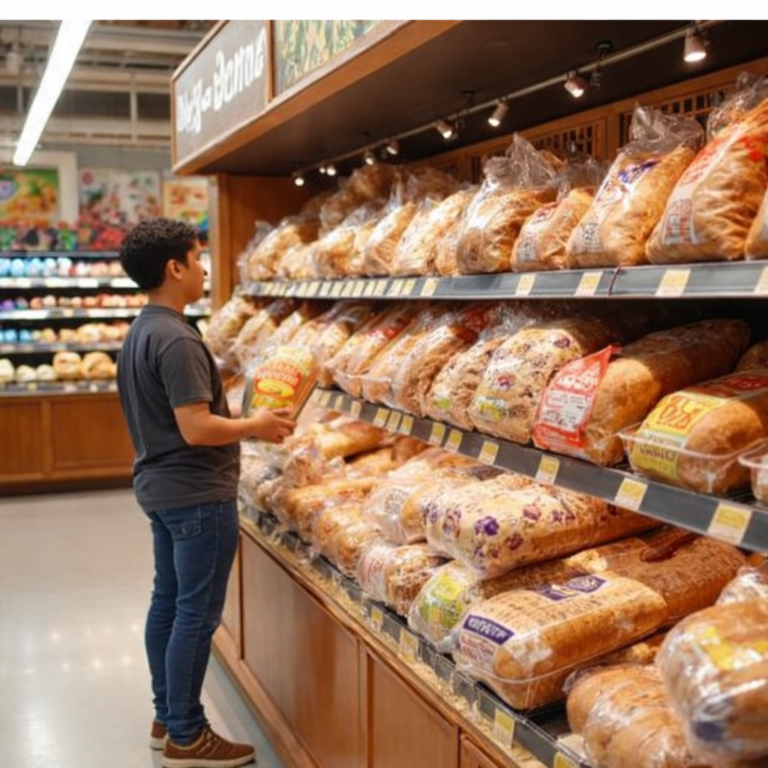
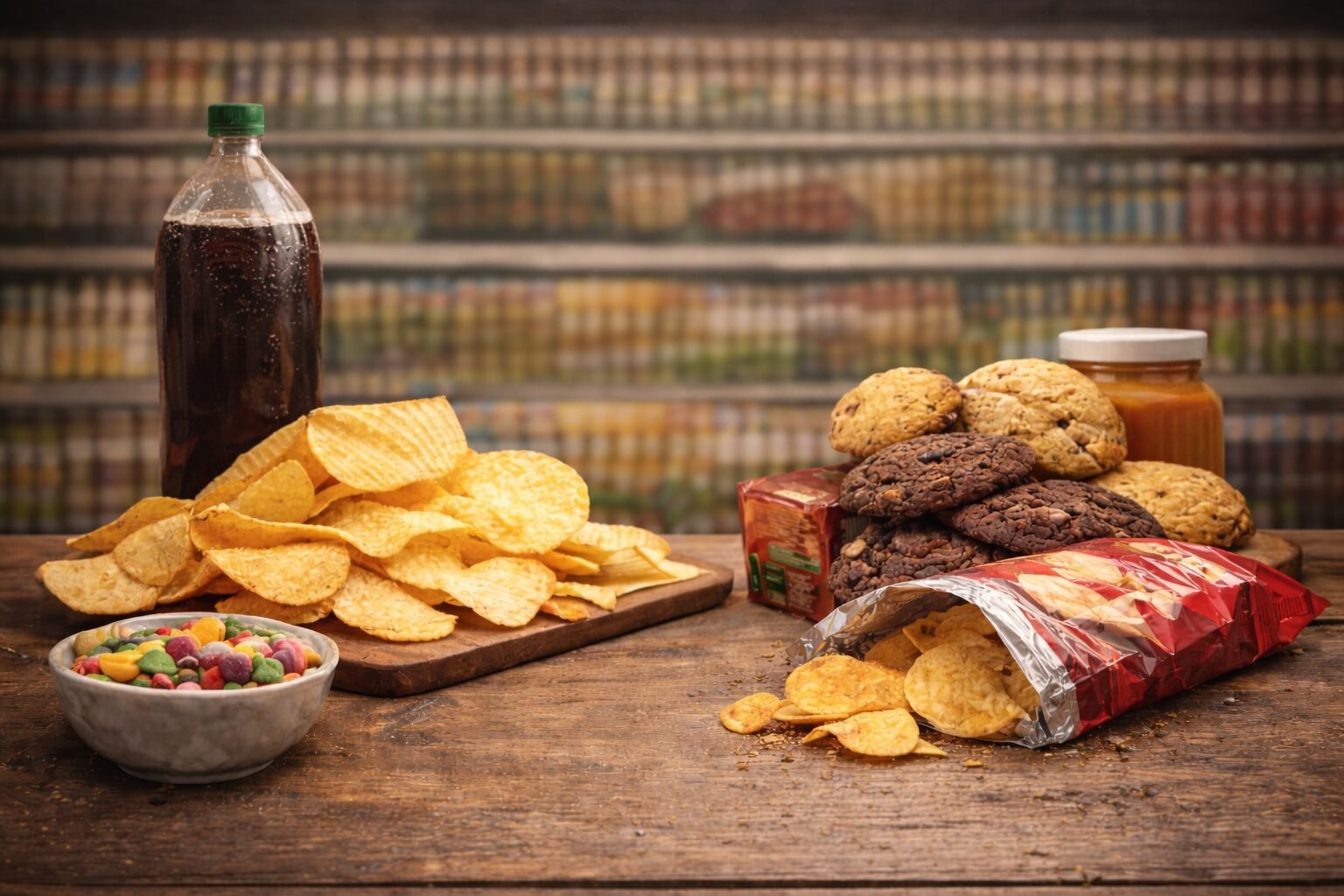
In the 1990s, the average American supermarket carried fewer than 10,000 unique products. Walk into a grocery store today and that number has exploded to somewhere between 30,000 and 40,000 items.
What’s interesting isn’t just how many options we now have, it’s what those options are. Research from the FDA and Northeastern University suggests that roughly 70% of foods in the modern supermarket are ultra-processed. That’s nearly 28,000 products competing for attention.
With so many choices, finding foods that support your health can feel overwhelming. Understanding what ultra-processed foods are and how to spot them can make grocery shopping feel less confusing and a lot more empowering.
What Does “Ultra-Processed Food” Mean?
Ultra-processed foods are foods that have been significantly altered from their original form. They’re made mostly from industrial ingredients rather than foods you’d typically recognize or cook with at home.
Diets high in ultra-processed foods are consistently linked to poorer health outcomes. Understanding how these foods are made and how they affect the body helps you make more informed choices over time.
Why Ultra-Processed Foods Are So Easy to Overeat
Ultra-processed foods are created to be convenient, shelf-stable, and extremely appealing. They’re engineered to hit just the right combination of salt, sugar, fat, and texture—which makes them easy to eat past fullness without realizing it.
If you’ve ever opened a bag intending to have “just a few” and finished the whole thing, that’s not a personal failure. That’s the product doing exactly what it was designed to do.
How to Identify Ultra-Processed Foods While Shopping

So how do you spot ultra-processed foods while shopping, without memorizing a nutrition textbook?
Most ultra-processed foods share a few common traits:
- Long ingredient lists
- Ingredients you wouldn’t normally use in a home kitchen
- Additives that enhance flavor, color, texture, or shelf life
You don’t need to recognize every ingredient. Simply noticing how long and complex an ingredient list is, can be surprisingly eye-opening.
Common Ingredients Found in Ultra-Processed Foods
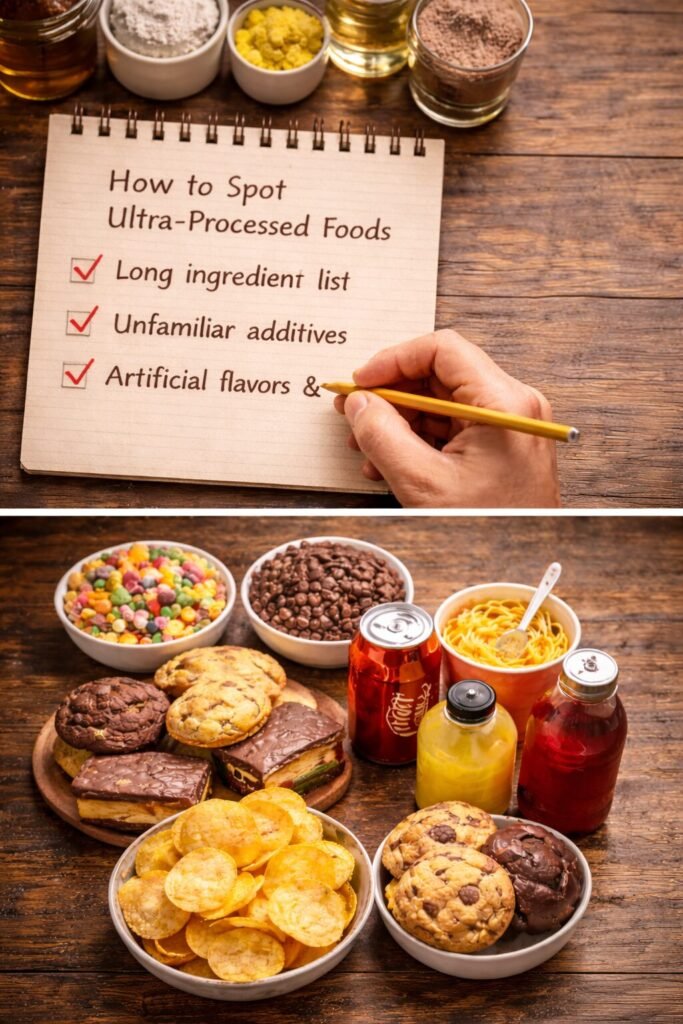
If you look closely at packaging, you might see ingredients like:
- High-fructose corn syrup
- Modified starches
- Hydrogenated oils
- Artificial flavors or colors
- Emulsifiers (such as soy lecithin or polysorbates)
- Preservatives
- Protein isolates
Seeing these occasionally doesn’t mean you’re “doing it wrong.” The goal is awareness, not elimination.
Common Ultra-Processed Foods in the Supermarket
Ultra-processed foods show up in many familiar places, including:
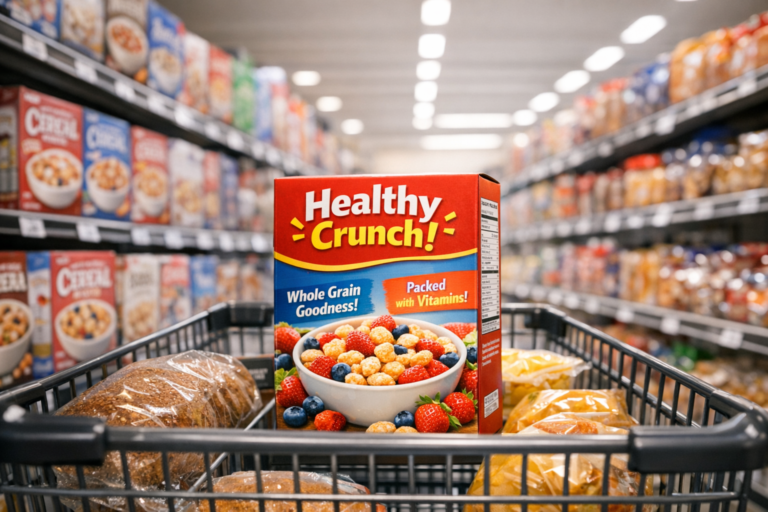
- Sugary cereals
- Packaged snack cakes, cookies, and chips
- Soda and flavored drinks
- Instant noodles and flavored rice
- Chicken nuggets and fish sticks
- Many frozen meals (excluding single-ingredient vegetables)
- Flavored yogurts with added additives
Most of us buy at least some of these foods from time to time. This isn’t about avoiding them completely; it’s about understanding where they fit.
Example: A Closer Look at Flavored Potato Chips
Let’s put this into practice.
Flavored potato chips are a common example of an ultra-processed food. Below is the ingredient list from a popular BBQ-flavored chip product:
Ingredients:
DRIED POTATOES, VEGETABLE OIL (CORN, COTTONSEED, CANOLA, HIGH OLEIC SOYBEAN, AND/OR SUNFLOWER), DEGERMINATED YELLOW CORN FLOUR, CORNSTARCH, RICE FLOUR, MALTODEXTRIN, MONO- AND DIGLYCERIDES, SUGAR, CONTAINS 2% OR LESS OF SALT, SODIUM DIACETATE, PAPRIKA, MONOSODIUM GLUTAMATE, SPICES, TOMATO POWDER, ONION POWDER, HYDROLYZED CORN PROTEIN, CORN SYRUP SOLIDS, CITRIC ACID, RED 40 LAKE, BLUE 1 LAKE, LIME JUICE POWDER, DISODIUM INOSINATE, DISODIUM GUANYLATE, GARLIC POWDER, NATURAL FLAVOR (INCLUDING SMOKE FLAVOR), WHEY, WHEAT STARCH

At first glance, this list can feel overwhelming and that reaction alone tells you something important.
What’s Really in These Ingredients?
Let’s look at just two items from the list:
Disodium guanylate: a flavor enhancer that boosts savory taste
Red 40 Lake: a petroleum-based food dye added to improve visual appeal
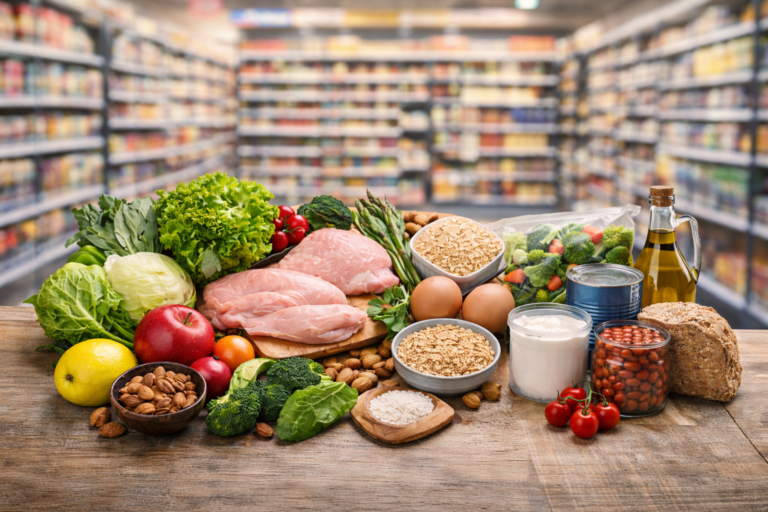
Compare that to making chips at home, where the ingredients might simply be potatoes, oil, salt, and spices. Seeing the difference makes it easier to decide which option you want to choose more often.
Do You Have to Avoid Ultra-Processed Foods Completely?
Do I honestly think most of us are going to give up store-bought chips forever?
No.
Homemade versions are great when you have the time, but convenience foods are part of real life. The goal isn’t perfection. It’s making better choices when it feels doable.
A Better Option: Choosing Products with Fewer Ingredients
Some brands offer simpler versions of familiar foods. For example, plain Cape Cod chips use far fewer ingredients: Potatoes, vegetable oils (canola, sunflower and/or safflower), sea salt.
Even though their BBQ flavor contains more ingredients, many come from the seasoning blend rather than added additives. The base is still potatoes and oil, with spices, vinegar, and natural flavors layered in.
This kind of comparison can help you make swaps that feel realistic, not restrictive.
Take-Home Message: Start by Reading the Label
The first step toward eating fewer ultra-processed foods is simply reading the label.
If an ingredient list feels confusing or overwhelming, consider choosing a similar product with fewer, more familiar ingredients. Over time, these small choices add up, without requiring you to overhaul your entire diet overnight.
This is a process. And if you’re paying attention, you’re already in it.