
What Are Preservatives (and Why They Matter)
In the emulsifiers post, we talked about what keeps food smooth and uniform — the behind-the-scenes ingredients working to hold everything together. Preservatives are the other half of that equation. Where emulsifiers make food look stable, preservatives make sure it actually stays that way.
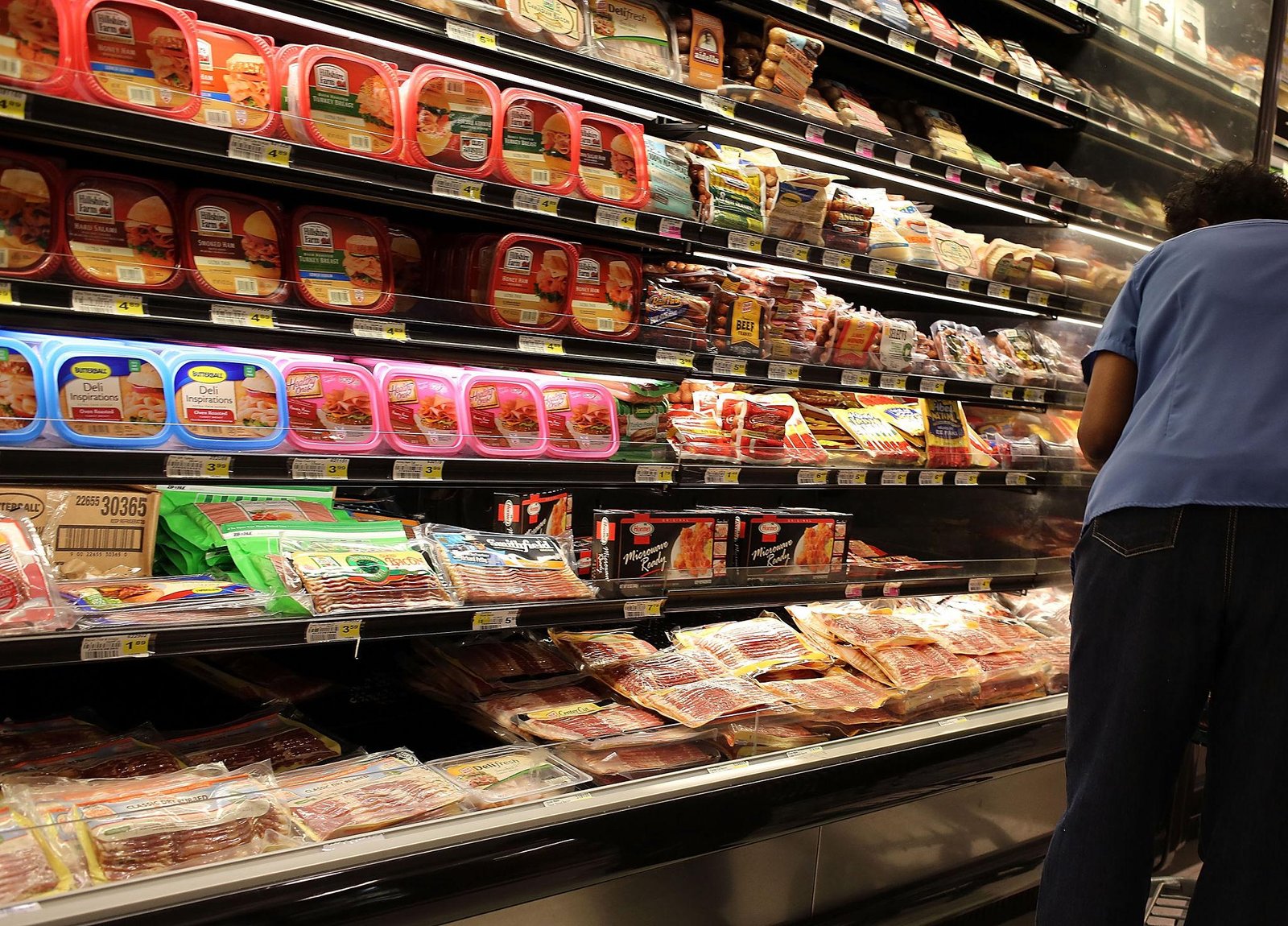
They’re the reason a bag of shredded cheese can sit open in your fridge for days without growing mold. They’re why deli meat doesn’t immediately spoil, and why packaged snacks can last months, sometimes years, on a shelf without changing.
Once you start noticing them, they raise the same question emulsifiers do: how has this not gone bad yet
Why Preservatives Exist
Traditional Preservation vs. Modern Food Systems
Preservation isn’t a modern invention. For centuries, home cooks and farmers solved the spoilage problem the same way — salt to cure meat, sugar to make jams, vinegar to pickle vegetables, fermentation to extend the life of everything from cabbage to dairy. These methods work by creating conditions that bacteria and mold simply don’t like. No chemistry degree needed.
The Challenge of Shelf Life at Scale
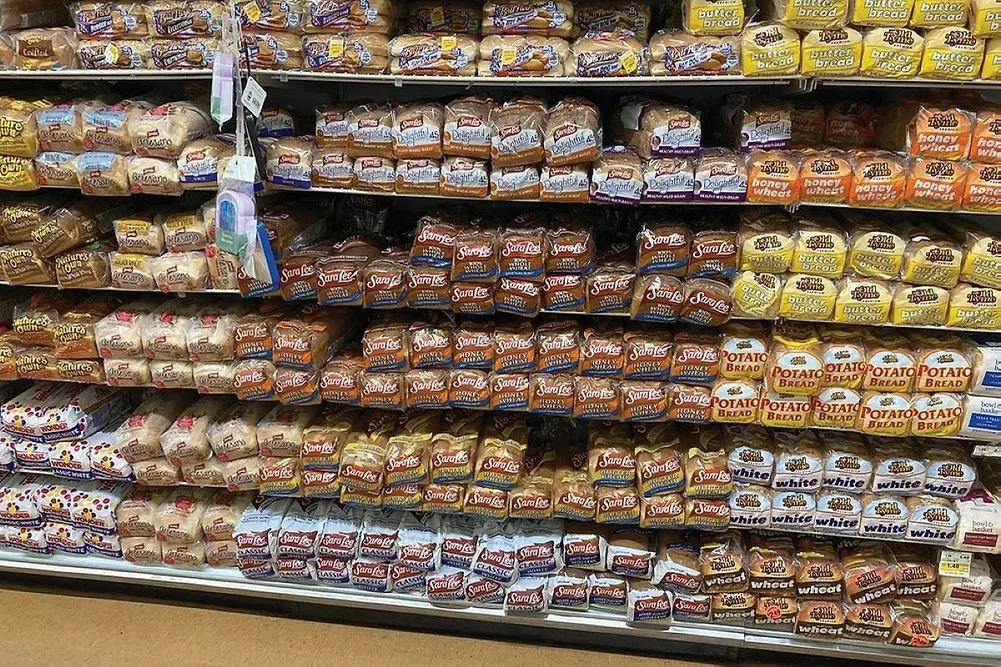
Modern food production has the same goal but operates at a completely different scale. A factory producing bread needs it to stay mold-free not for a few days but for weeks — long enough to be manufactured, shipped across the country, sit in a warehouse, stock a shelf, and still be soft and mold free when someone buys it. Traditional preservation methods can’t reliably do that. So manufacturers turn to preservatives that are more targeted, more consistent, and effective in very small amounts.
Like emulsifiers, they’re not added to improve nutrition. They’re added to solve problems created by large-scale food production — long storage times, long distances, and long shelf lives.
How Preservatives Actually Work
Slowing or Stopping Microbial Growth
Preservatives work in two main ways.
The first is slowing or stopping microbial growth. Food naturally spoils because bacteria, yeast, and mold break it down. Preservatives interfere with that process. Some kill microbes directly, others slow their growth, others create an environment where they simply can’t thrive. This is what keeps packaged cheese mold-free and deli meat from spoiling within days.
Preventing Oxidation and Rancidity
The second is preventing oxidation. Not all spoilage is microbial. Some foods degrade when exposed to oxygen, fats go rancid, colors change, nutrients are lost. An apple that has been cut is a good visual for this. Within a few minutes the apple turns brown. Certain preservatives act as antioxidants, slowing this spoilage process and helping food maintain its appearance and flavor over time. This is why a bag of chips can sit in your pantry for months without the oil in them going off.
Common Preservatives in Everyday Foods
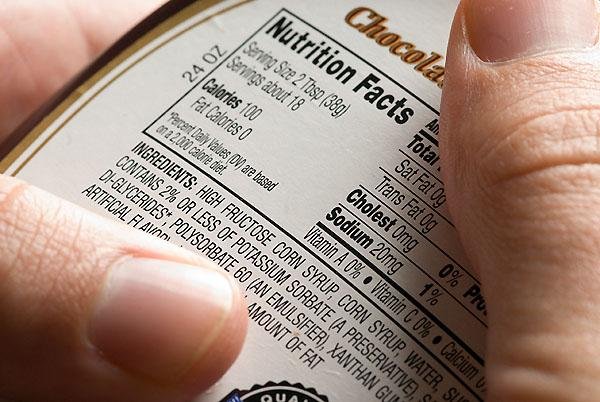
These are the preservatives that show up most frequently in ultra-processed foods:
-
Sodium benzoate — used in acidic foods like sodas, salad dressings, and condiments to inhibit bacteria and yeast growth.
-
Potassium sorbate — prevents mold and yeast in cheese, baked goods, and beverages. One of the most widely used preservatives in the food supply.
-
Calcium propionate — added to commercial bread to prevent mold and extend shelf life. If you’ve bought a loaf of sandwich bread recently, there’s a good chance this was in it.
-
Sodium nitrite and sodium nitrate — used in processed meats like bacon, hot dogs, and deli meats to prevent bacterial growth and maintain that pink color. These are among the more studied and debated preservatives in the current research.
-
BHA and BHT — synthetic antioxidants that prevent fats and oils from going rancid. You’ll find them in crackers, cereals, chips, and snack foods. Their presence usually means the food needs help staying stable on the shelf.
-
Sulfites and sulfur dioxide — used in dried fruits, wine, and some processed foods to prevent spoilage and discoloration.
Why Researchers Are Paying Attention
Preservatives have been part of the food supply for decades, and for most of that time the safety question was considered largely settled. Increasingly, researchers are taking a second look.
Nitrites and nitrates are probably the most discussed. Under certain conditions, particularly at high temperatures, like frying bacon they can form compounds called nitrosamines, some of which have been linked to increased cancer risk in research studies. This is an active area of investigation and the subject of ongoing regulatory review in several countries.
BHA and BHT have shown mixed results in animal studies, leading to a continuing debate about long-term exposure. They remain approved for use in food but appear on several watch lists maintained by health researchers.
Sulfites and sulfur dioxide — used in dried fruits, wine, and some processed foods to prevent spoilage and discoloration. If you or someone in your family has asthma, this one is worth paying attention to. Sulfite sensitivity is real, recognized, and more common in people with asthma than most people realize. This is one of the more clear-cut cases where a preservative has a documented effect on a subset of the population.
To be clear — none of this means these ingredients are proven harmful at the levels found in food. But the days of treating that as a settled question appear to be over.
The Cumulative Exposure Problem — Again
Why Single-Ingredient Safety Isn’t the Full Picture
Sound familiar? It should. We ran into this same issue with emulsifiers. The problem was never any single ingredient, it’s how many of them we consume together without realizing it.
A fairly typical day of ultra-processed eating might include calcium propionate in your morning toast, sodium benzoate in a beverage at lunch, nitrites in deli meat during dinner, and BHT in an afternoon snack. That’s four different preservatives across four different meals. In reality, a sandwich with chips could include several of them in one meal. None of them at a level considered unsafe on its own, but together representing a pattern of daily, repeated exposure that is genuinely new in human dietary history.
Daily Exposure Across Multiple Foods
The question researchers are beginning to ask isn’t just whether any single ingredient is safe. It’s what the long-term effects look like when you consume many of them together, every day, for years.
We don’t have a complete answer to that yet. But it’s the right question to be asking.
What This Means Practically
Where to Focus First
You don’t need to eliminate preservatives entirely — that’s neither realistic nor necessary. But reducing your overall exposure is straightforward if you know what to look for.
Processed meats are worth particular attention given the nitrite and nitrate research. Packaged bread is another category worth paying attention to — I break this down further in my post on if bread is ultra-processed. Calcium propionate is in nearly every commercial loaf. Any snack food with a very long shelf life is almost certainly leaning on BHA, BHT, or both to stay stable.
A Simple Rule: Shorter Ingredient Lists
The practical rule is simple and consistent with everything else on this blog: the shorter the ingredient list, the less chemical preservation a food needs. Fresh food spoils. That’s actually a feature, not a flaw. It means nothing had to intervene to keep it shelf-stable for months. It’s the whole premise behind the ‘Rule of Five,‘ and it works.
Why Fresh Food Spoils (and Why That’s Okay)
Food that can sit unchanged for a very long time usually has a lot of help doing it. Choosing food that doesn’t need that kind of help is one of the most straightforward shifts you can make toward a less processed diet.
It’s not about being perfect. It’s just about knowing what’s in your food so you can make better choices when you can.