In an earlier post, I mentioned emulsifiers and stabilizers in passing. They’re the ingredients that keep your salad dressing perfectly blended for months and give a packaged muffin its soft, pillowy texture weeks after it was baked.
In my house, they’re the hamburger rolls that are still perfectly “fine” two weeks (or more) after I bought them.
If you’ve ever looked at something on your counter and thought, that really shouldn’t still look like that, you’ve likely encountered a combination of emulsifiers (keeping it smooth and uniform) and preservatives (keeping it from spoiling).
I promised a deeper look. Here it is.
Why This Matters
Emulsifiers show up in a huge number of foods. They’re the behind-the-scenes ingredients that help ultra-processed food maintain its texture, structure, and appearance long after you’d expect it to change.
The research around them is genuinely interesting, and what scientists are finding is beginning to shift how many think about food additives in general.
Bottom line: emulsifiers and stabilizers aren’t there for your benefit, they’re there for shelf life, texture, and consistency at industrial scale.
What Emulsifiers Actually Do
They Keep Ingredients From Separating
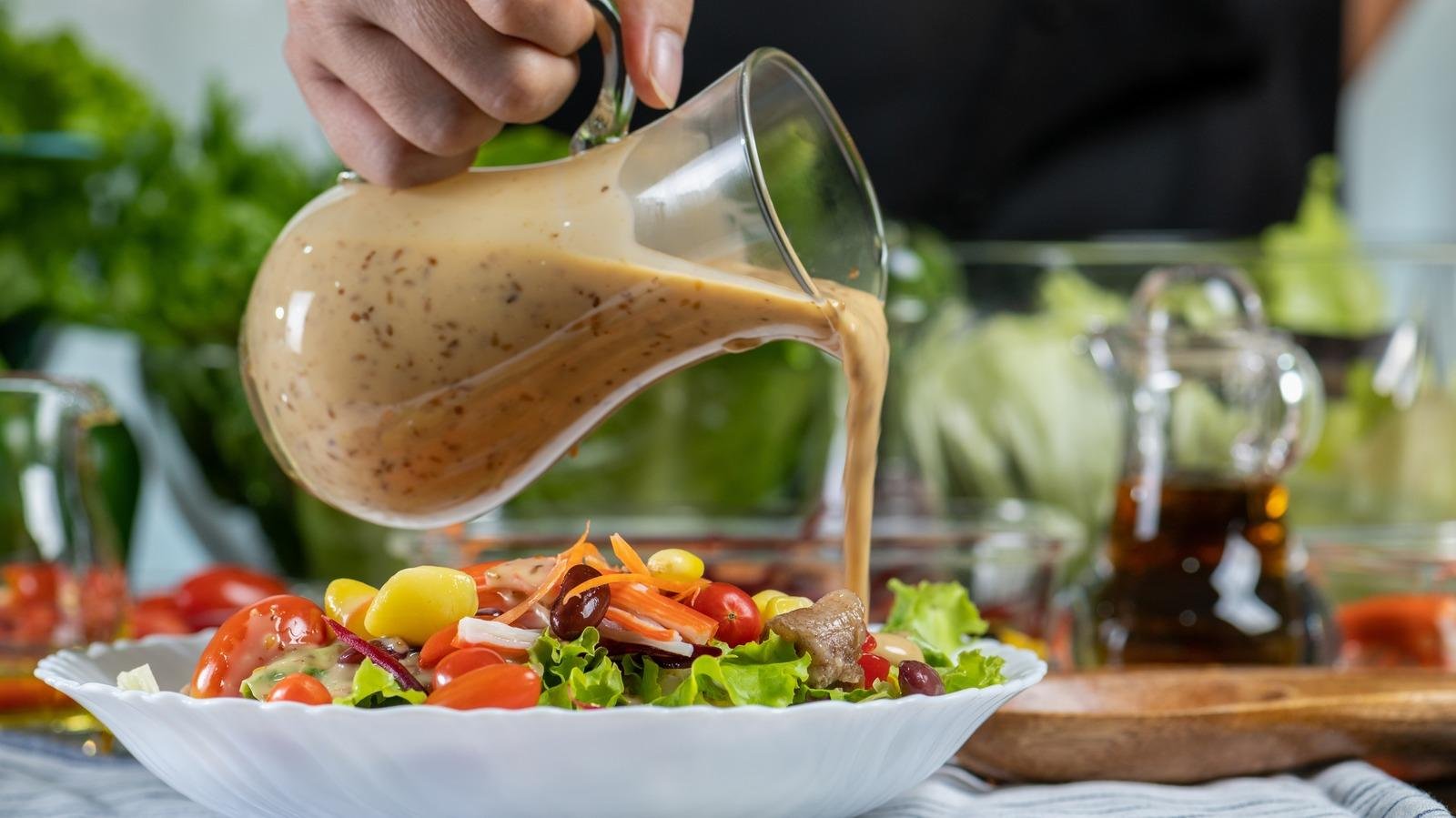
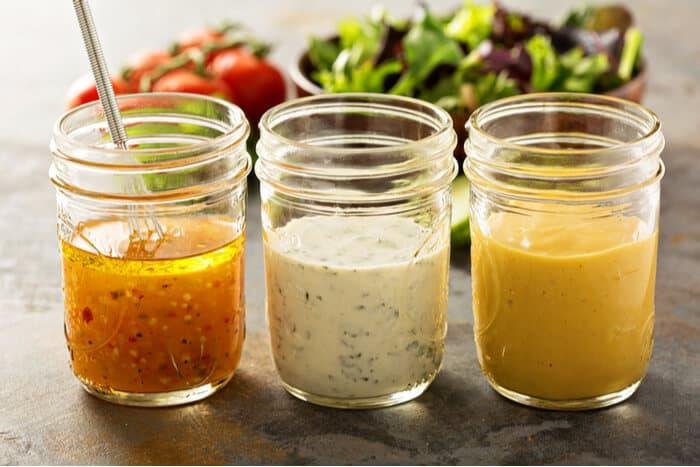
Oil and water don’t mix, you already know this. You’ve seen salad dressing separate in the bottle.
Emulsifiers are molecules that solve this problem. They have one end that attracts water and one end that attracts fat, allowing them to sit between the two and hold them together like a bridge. The result is a smooth, stable mixture that doesn’t separate.
They Improve Texture and Consistency
Emulsifiers also help:
- Keep bread soft instead of stale and crumbly
- Maintain creaminess in foods like ice cream
- Create a uniform, consistent texture
They don’t prevent spoilage but they help food stay structurally the same over time.
Natural vs. Industrial Emulsifiers
What Happens in a Home Kitchen
In a home kitchen, emulsification happens naturally.
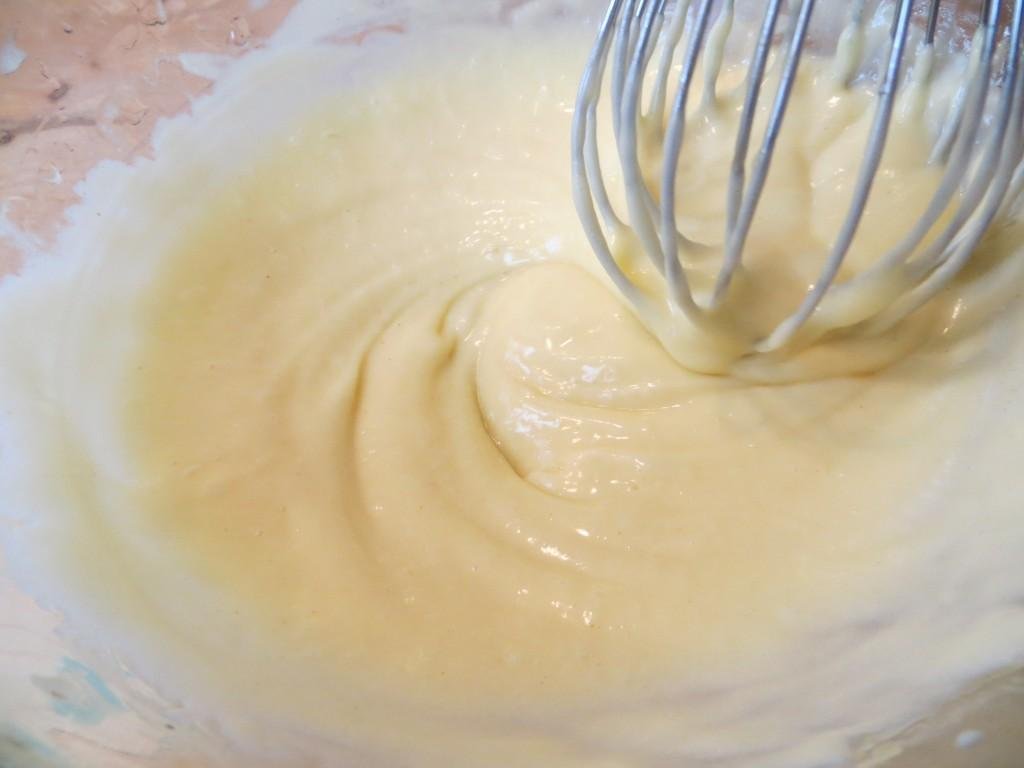
Egg yolks contain lecithin, which is why mayonnaise and hollandaise work. Mustard can stabilize a vinaigrette. These are natural emulsifiers that have been part of cooking for centuries and there is nothing wrong with having them in your food.
What Happens in Processed Foods
At an industrial level, the requirements are very different. Manufacturers need:
- Long shelf life
- Consistent texture across large batches
- Stability during transport and storage
Traditional ingredients can’t reliably deliver that at scale, so food companies use industrial emulsifiers and stabilizers, often in combinations and concentrations not typically used at home.
Common Emulsifiers You’ll See on Labels
- Carrageenan — derived from red seaweed, used in dairy products, plant-based milks, deli meats, and infant formula to improve texture and thickness
- Polysorbate 80 (and 60) — a synthetic emulsifier common in ice cream, baked goods, and salad dressings
- Xanthan gum — a thickener and stabilizer found in sauces, gluten-free products, and salad dressings
- Carboxymethylcellulose (CMC) also listed as cellulose gum — is one of the most widely used emulsifiers in the food supply. You’ll find it in dairy products, ice cream, salad dressings, and processed desserts. It’s derived from plant cellulose but undergoes significant chemical processing to become what ends up in your food.
- Soy lecithin — one of the most common emulsifiers, found in chocolate, baked goods, and margarine
- Mono- and diglycerides — derived from fats, are among the most common emulsifiers in bread, margarine, and peanut butter.
They’re so common that most people consume them daily without realizing it.
Why Researchers Are Paying Attention
The Old Assumption
For decades, emulsifiers were considered essentially inert—assumed to pass through the body without much effect.
What New Research Suggests
A landmark study published in Nature found that two very common emulsifiers — polysorbate 80 and carboxymethylcellulose — disrupted the gut microbiome in mice, promoted intestinal inflammation, and contributed to metabolic syndrome..
Early human research is limited but suggests these additives may interact with the gut lining in ways that aren’t completely neutral.
A Note on Carrageenan
Carrageenan remains approved for use in food, but it has been the subject of ongoing debate. Some research has linked certain forms to inflammation, leading some gastroenterologists to recommend caution for people with digestive issues.
What We Actually Know Right Now
The key word is may. Scientists are not saying these ingredients are definitively harmful at typical levels. But they are questioning whether low-dose additives are as biologically inactive as once believed.
The Bigger Picture — The Cumulative Load Problem
We Don’t Eat These in Isolation
A typical ultra-processed diet can include multiple emulsifiers in a single day:
- CMC in bread
- Polysorbate 80 in ice cream
- Carrageenan in creamer
- Xanthan gum in dressing
- Mono- and diglycerides in peanut butter
Why That Matters
This kind of repeated, combined exposure is relatively new.
The question isn’t whether one ingredient is harmful in isolation, it’s what happens with long-term, daily exposure to many of them together.
What This Means in Real Life
If You Have Digestive Issues
If you have conditions like:
- Irritable Bowel Syndrome
- Crohn’s disease
- Ulcerative colitis
This may be especially relevant. Some gastroenterologists suggest trying an elimination approach under medical guidance. Talk with your specialist and see what they say.
Ingredients Worth Paying Attention To
The emulsifiers getting the most research attention include:
- Carboxymethylcellulose (CMC)
- Polysorbate 80
- Carrageenan
If you’re going to prioritize anything on a label, those are worth scanning for.
A Simple Rule of Thumb
The best practical move is the same one that works across all ultra-processed foods: the shorter the ingredient list, the less likely you are to be consuming a significant load of synthetic emulsifiers. Foods that don’t need 18 months of shelf stability generally don’t need much help staying together.
Less ultra-processed means fewer emulsifiers, fewer stabilizers, and a gut microbiome that gets to do its job without interference. That’s a trade worth making.