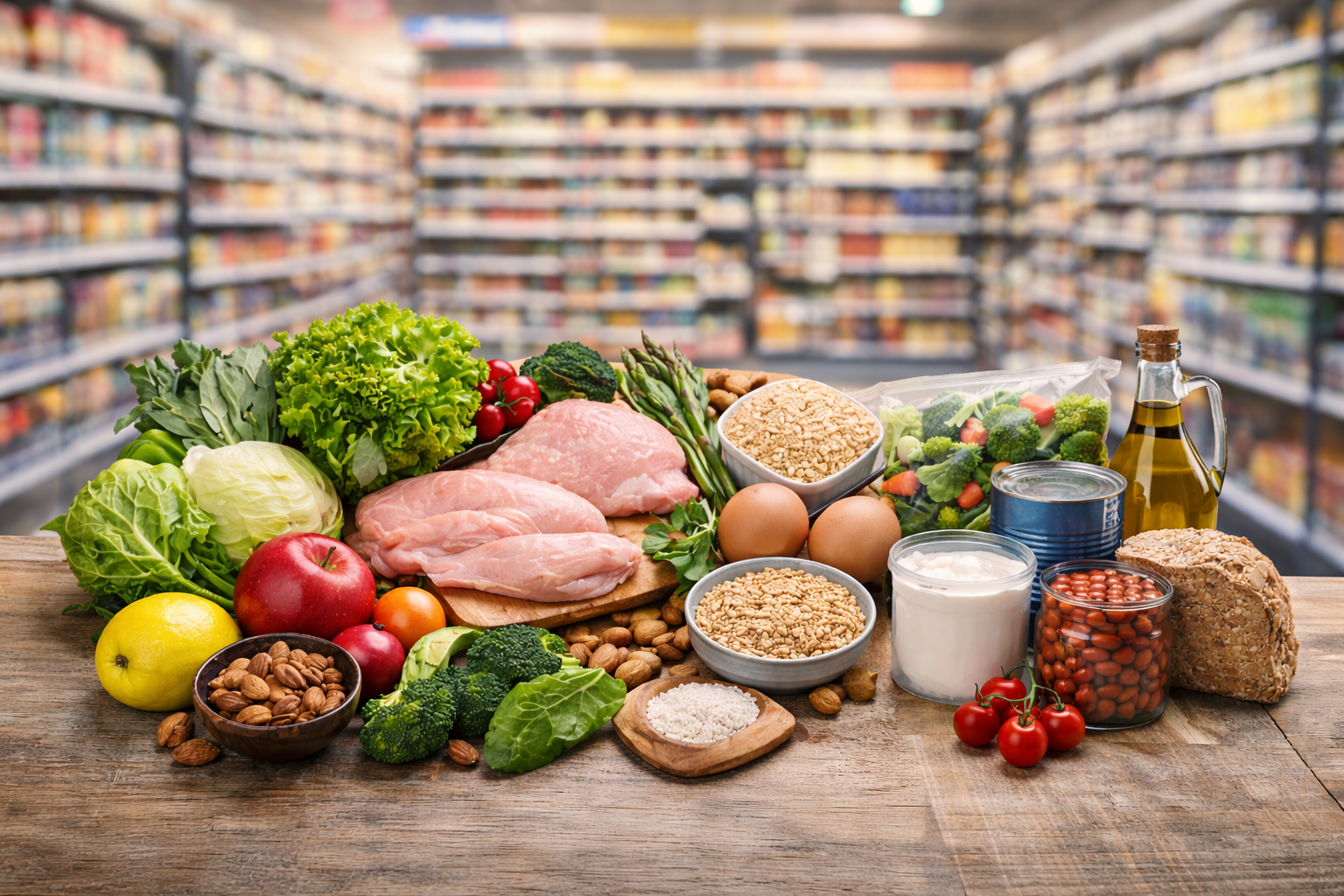
If you’ve ever stood in the grocery store wondering whether a food is “unprocessed” or “minimally processed” and whether that matters you’re not alone. These terms are often used interchangeably, which makes it easy to assume they mean the same thing.
They don’t.
But here’s the good news: both unprocessed and minimally processed foods can absolutely be part of a healthy diet.
This isn’t about eating perfectly or avoiding anything that comes in a package. It’s about understanding what these labels really mean so you can make choices that feel realistic and sustainable – not stressful.
What “unprocessed” foods actually are
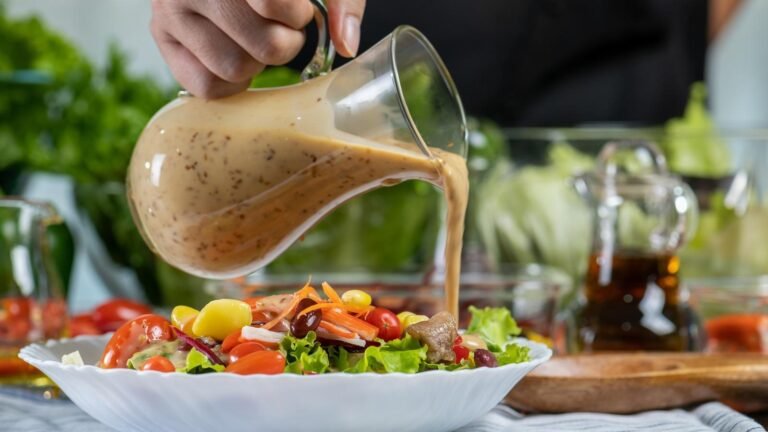
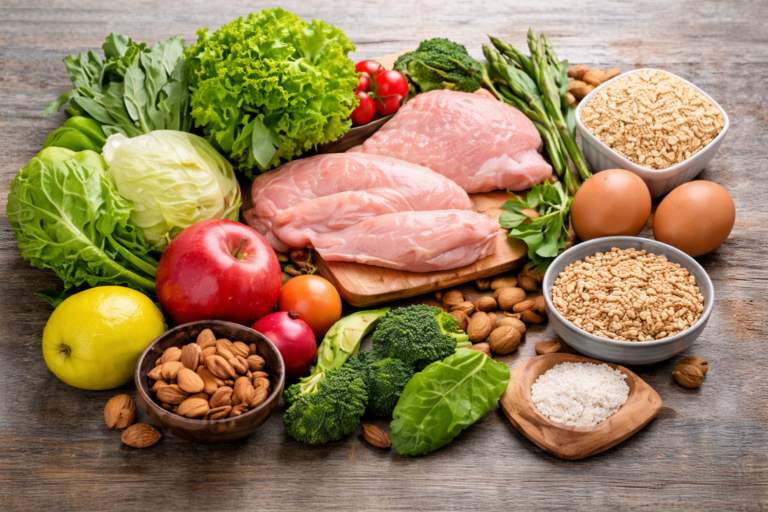
Unprocessed foods are foods that are very close to how they’re found in nature. They haven’t had ingredients added to them, and their structure hasn’t been significantly changed.
That doesn’t mean they come straight from the ground to your plate untouched. Basic steps like washing or cutting still count as unprocessed.
Examples of unprocessed foods include:
- Fresh fruits and vegetables
- Raw nuts and seeds
- Fresh meat, poultry, and fish
- Eggs
- Whole grains in their intact form, like oats or rice
These foods may be cleaned or packaged, but they’re still essentially the same food nature produced.
A good example of this in real life is coconut water. When I exercise, I often feel like I need electrolytes, but instead of turning to pre-made drink formulas, I choose pure coconut water. It comes in a package, but the ingredient list is just one thing: coconut water. No coloring, preservatives, or added ingredients.
I don’t have the time or patience to drill into coconuts to harvest the water myself. I’m guessing you don’t either. The packaging doesn’t change what the food actually is.
What “minimally processed” really means
This is where most of the confusion lives.
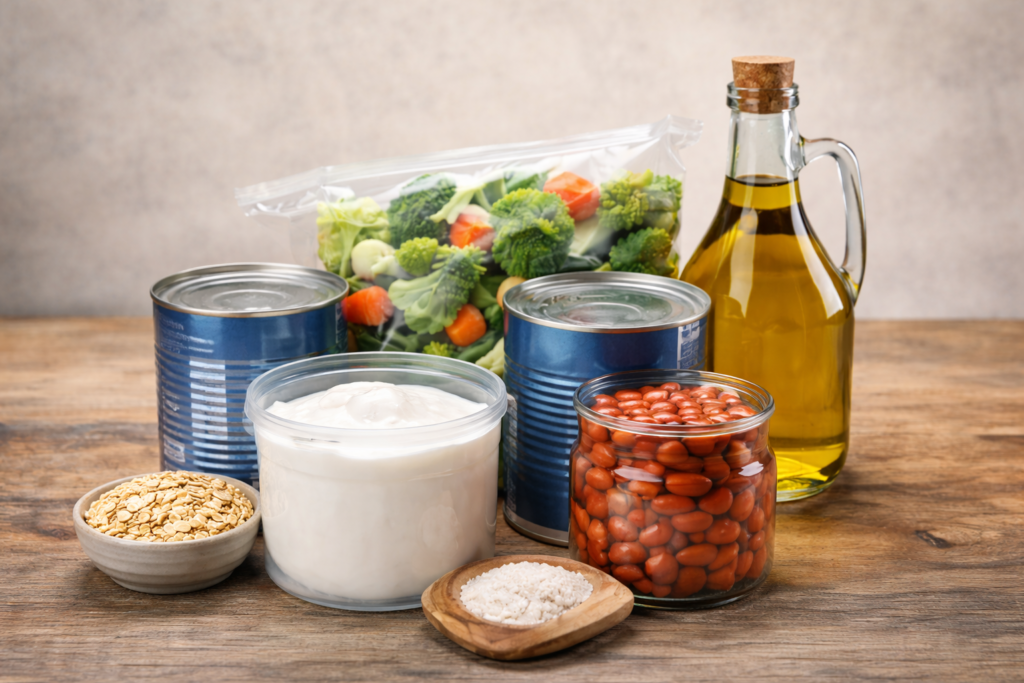
Minimally processed foods have been changed slightly for safety, storage, or convenience, but they still keep their original structure and nutritional value. The goal of minimal processing is preservation or accessibility – not transformation.
Examples include:
- Frozen vegetables (without sauces or seasoning)
- Plain yogurt
- Milk
- Olive oil
- Roasted nuts with no added oils
- Canned beans with just beans, water, and salt (unsalted versions are also available)
- Whole-grain bread with a short, recognizable ingredient list (this one deserves its own discussion, and it’s coming in a future post)
These foods aren’t “less healthy” just because they’ve been processed a little. In some cases, like frozen fruits they’re picked at peak ripeness, which may actually make them a better option depending on where you live and the season.
In other cases, they simply make eating well more doable. I don’t cook dried beans, so I rely on canned beans to feed my family. Consistency matters far more than perfection.
Unprocessed vs. minimally processed foods: real-life examples
Sometimes it helps to see this in real-life terms.
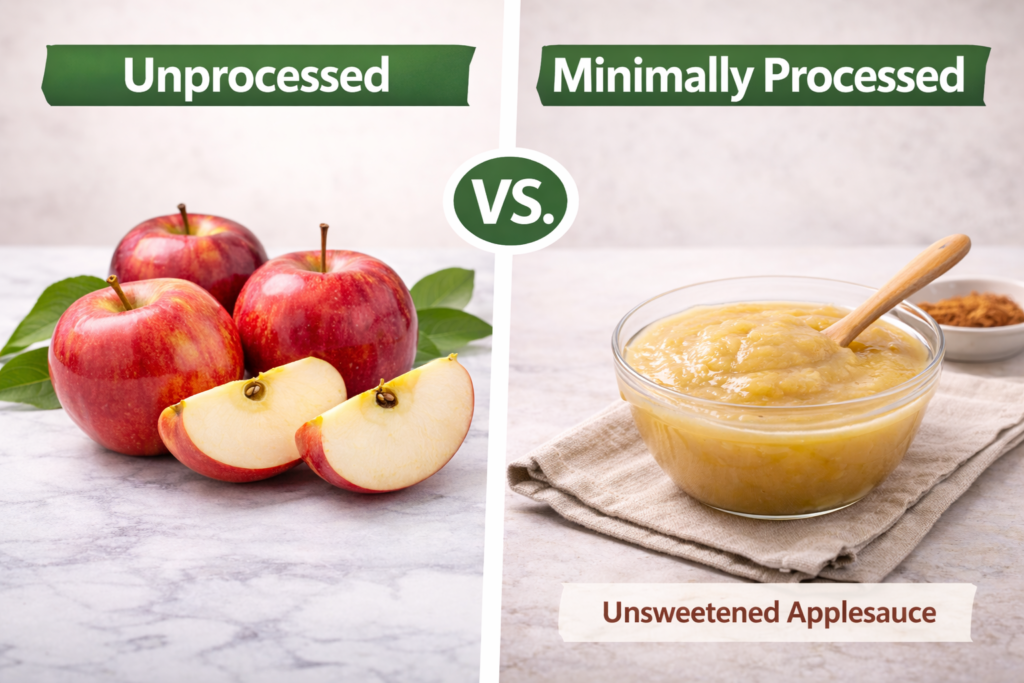
Fresh apple vs. unsweetened applesauce
The apple is unprocessed. Applesauce is minimally processed – the fruit is cooked and blended, but it’s still nutritionally similar.
Dry beans vs. canned beans
Dry beans are unprocessed. Canned beans are minimally processed for convenience and safety.
Fresh chicken vs. frozen chicken breasts
Freezing preserves the food without changing its nutritional value.
Fresh vegetables vs. frozen vegetables
Frozen vegetables are often picked and frozen at peak ripeness, making them just as nutritious – and sometimes more practical.
What changes is the form.
What doesn’t change is the food itself.
Where people get stuck (and stressed)
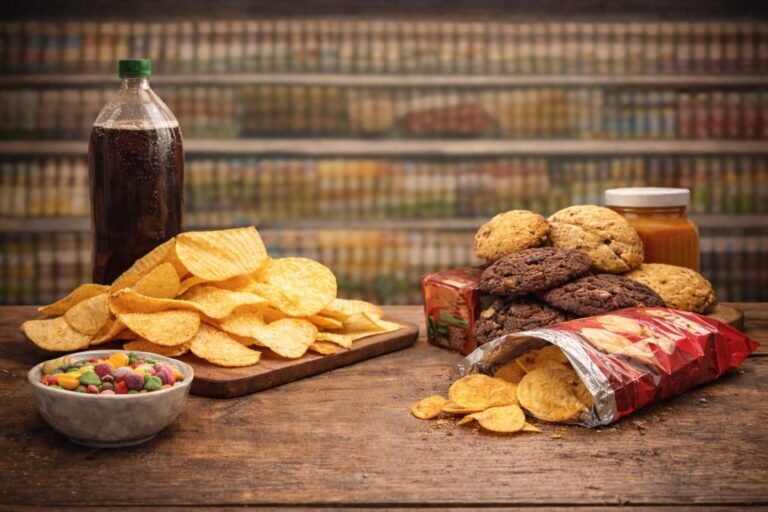
This is where food choices can start to feel overwhelming – especially when ultra-processed versions sit right next to minimally processed ones on the shelf.
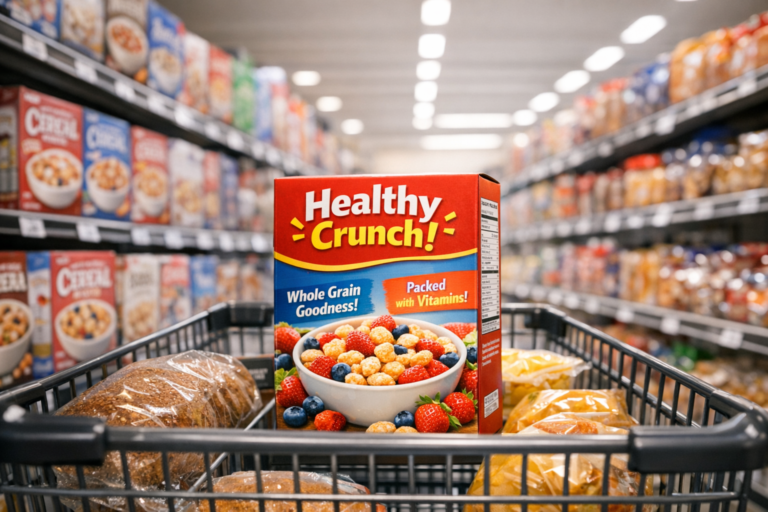
When choosing a minimally processed product, it’s important to make sure it isn’t an ultra-processed food in disguise. Canned pears are a good example. Some brands add sugar, while others offer a “no sugar added” version that still includes artificial sweeteners like sucralose.
A better option is canned fruit packed in 100% fruit juice, which is a minimally processed choice.
It’s completely normal to feel confused by labels like “natural,” “clean,” or even “no sugar added.” The key is to keep looking at the ingredient lists of foods you buy regularly and choose the option that makes the most sense for you.
Understanding the difference between levels of processing can actually reduce stress, not add to it.
If this still feels confusing, I’ve written more about how to spot ultra-processed foods here.

When minimally processed foods are the better choice
This is where real life comes in.
Minimally processed foods can be incredibly helpful when:
- Fresh produce spoils before you can use it
- You’re working with a tight budget
- Time and energy are limited
- Convenience helps you eat more consistently
Frozen vegetables, canned beans, yogurt, pre-washed greens, and fresh chopped vegetables can make nourishing meals more accessible – not less. They can also be stored until you’re ready to use them, helping reduce food waste and unnecessary spending.
What this means in everyday life
You don’t need rules or rigid food lists.
A simple approach:
- Look for foods that look like food
- Choose one-ingredient or few-ingredient options when possible
- Read ingredient lists without overthinking them, while staying aware of ultra-processed foods in disguise
If you recognize the food and most of the ingredients on the label, you’re usually in a good place.
The simple takeaway
Unprocessed and minimally processed foods both belong in a balanced, realistic way of eating. Small shifts add up and understanding matters far more than restriction.
Better choices when you can – not perfection.